Preventing Corrosion on Oil & Gas Pipelines: Powder Coating Solutions
For oil and gas pipeline service, the coating specified in this guide is a pure epoxy anti-corrosion powder coating formulated with epoxy resin, a TGIC curing agent, pigment and additives. It is applied with a tribo gun or an electrostatic spray gun, cured at 180–200 °C for 10–15 minutes, and verified through named test methods: adhesion grade 0 (ISO 2409:2020), hardness ≥H (ISO 15184:2020), cupping ≥6 mm (ISO 1520:2006), bending ≤2 mm (ISO 1519:2002), impact 50 kg/cm (ISO 6272-1:2017), and 500-hour salt spray with no change to the coating film (ISO 7253:1996). Those five numbers, not a marketing claim, are what separate a pipeline-grade coating from a decorative one.
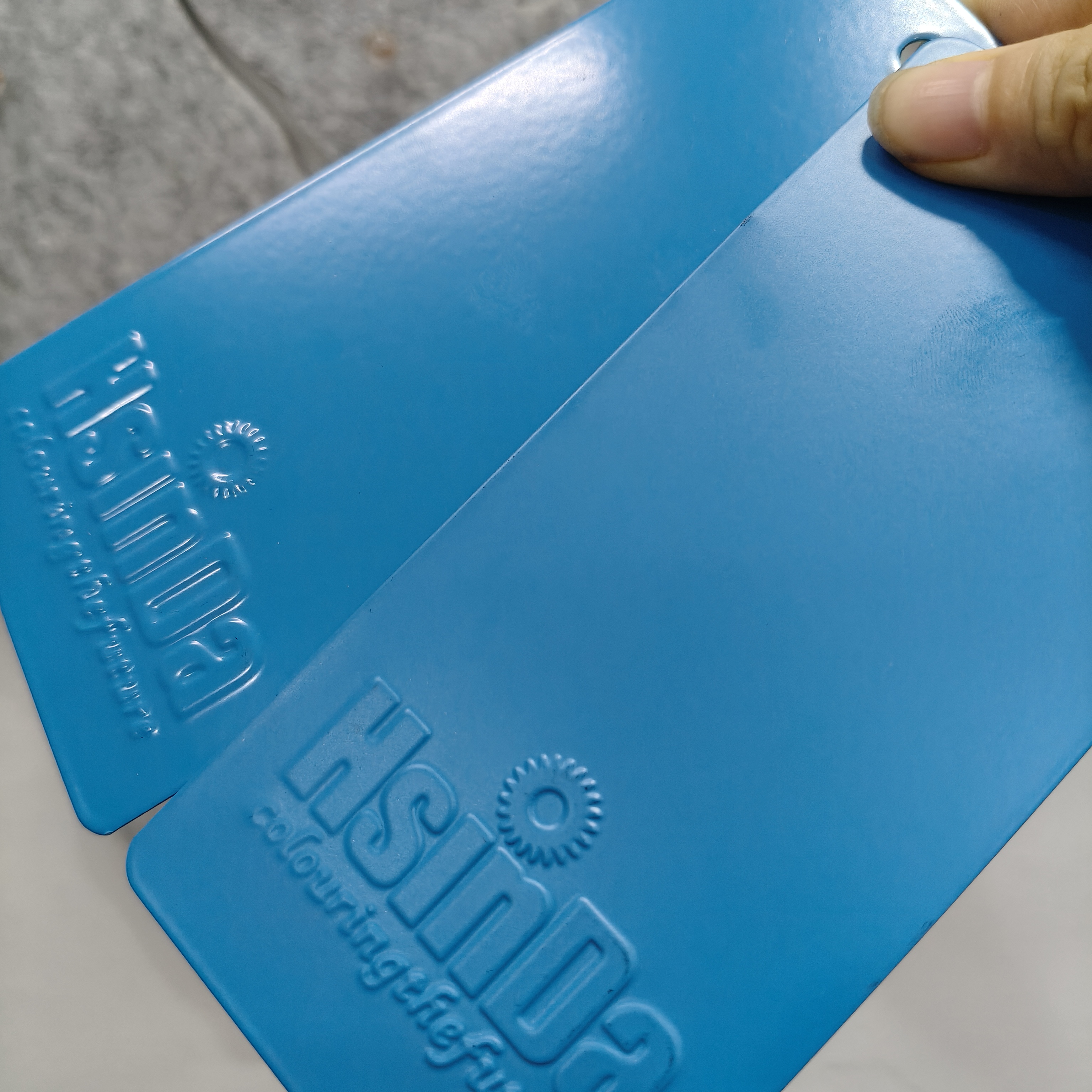
Anti-corrosion epoxy powder coating developed for heavy-duty industrial corrosion protection, including oil and gas pipelines, water supply systems, valves and steel reinforcement bars.
The Real Problem: Pipeline Corrosion Starts Where the Film Fails
Pipeline corrosion is a coating failure question before it becomes a maintenance question. Carbon steel in oil, gas and water service is exposed to moisture, oxygen, salts and process chemicals. Where a coating loses adhesion, breaks down at a cut edge or cannot absorb impact and bending during handling and installation, the exposed steel becomes the corrosion site.
The difficulty buyers face is not a shortage of coating options. It is that coatings selected for the wrong duty can look perfectly acceptable on a one-line datasheet and still underperform in service. A film that is hard but brittle passes a hardness check and cracks at the cupping and bending stage. A film with good gloss can still fail at the cross-section under salt spray. Corrosion protection therefore has to be specified as a set of properties tested together, using named methods, rather than as a single headline number.
This is where thermoset powder coating is structurally different from a decorative finish. The powder is electrostatically or tribostatically deposited, melted and cross-linked in an oven to form a continuous film chemically bonded to the substrate. There is no solvent carrier to evaporate, and the cured film is the protection layer itself. For pipeline and water-system components, that film has to hold adhesion under humidity, resist general acids and oils, and survive mechanical abuse before it ever reaches the ground.
Industry Background: Where Powder Coating Sits in the Coatings Market
Powder coating is a defined product segment within the construction paints and coatings market, positioned alongside water-borne, solvent-borne and high-solids technologies (Verified Market Research, product segmentation). It is simultaneously an industrial coatings category, used across architectural aluminium, appliances, automotive components and heavy-duty anti-corrosion work.
Published market sizing differs by publisher because scope definitions differ. Fortune Business Insights valued the global powder coatings market at USD 16.12 billion in 2025 and reported that Asia Pacific held a 63.10% revenue share in that year. Grand View Research reported that the polyester segment accounted for 48.2% of market share in 2025, attributing that position to weatherability and UV resistance. A separate publisher, Market Data Forecast, put the global market at USD 17.01 billion for 2024. The gap between those figures reflects definitional differences rather than a contradiction in the underlying demand, so the numbers are best read as directional. Averaging them would produce a figure no source actually published.
Two structural signals matter more to a buyer than the headline value. First, the Asia Pacific concentration means a large share of global powder coating supply, including epoxy anti-corrosion grades, is manufactured and shipped from that region. Second, resin segmentation is the single largest determinant of what a coating can actually do: polyester dominates the market on weatherability, while epoxy chemistries exist to serve corrosion and chemical resistance duties. Choosing the wrong resin family is a specification error that no amount of process control downstream can correct.
One further background point is relevant to procurement: ISO 8130-8 establishes a method for estimating the storage stability of thermosetting coating powders. Storage behaviour is part of the specification, not an afterthought, because a powder that has aged before it reaches the line will not deliver the film properties the datasheet promises.
The Solution: Epoxy Anti-Corrosion Powder Coating for Pipelines and Water Systems
Anti-corrosion powder coating is a pure epoxy powder coating built on epoxy resin with a TGIC curing agent, pigment and additives. Its declared application scope is heavy-duty industrial anti-corrosion: oil and gas pipelines, water supply systems, valves and steel reinforcement bars. The same chemistry is also used for electrical and electronic insulation, automotive and heavy-industry components such as chassis parts, pump bodies and gearboxes, and appliance casings where chemical and scratch resistance matter.
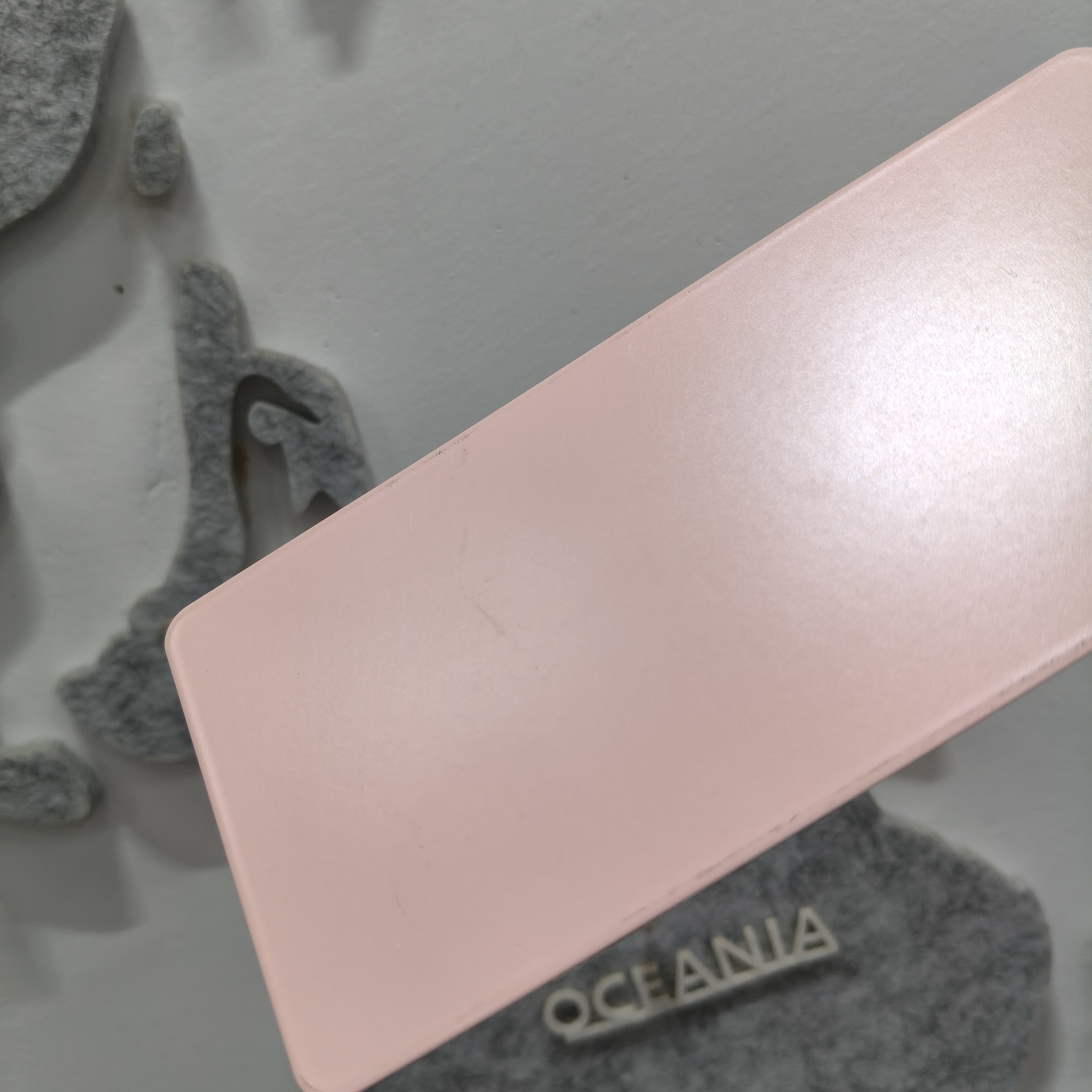
Anti-corrosion epoxy powder coating: epoxy resin, TGIC curing agent, pigment and additives, cured at 180–200 °C for 10–15 minutes.
The performance envelope is specified rather than implied. The table below lists the tested properties of the anti-corrosion grade exactly as they are stated in the product data, including the standard used for each.
| Property | Test method | Specified result |
|---|---|---|
| Gloss | ISO 2813:2014 | 5%–95% |
| Impact | ISO 6272-1:2017 | 50 kg/cm |
| Bending | ISO 1519:2002 | ≤2 mm |
| Cupping | ISO 1520:2006 | ≥6 mm |
| Adhesion | ISO 2409:2020 | Grade 0 |
| Hardness | ISO 15184:2020 | ≥H |
| Salt spray resistance | ISO 7253:1996 | 500 hours, coating film unchanged, unilateral corrosion at cross section ≤2 mm |
| Humidity and heat resistance | GB/T 1740-2007 | 1000 hours, slight gloss loss, ≤ level 1 |
| Chemical resistance | — | Good resistance to general acids and oils; average alkali resistance |
Processing and application parameters are equally specific. Average particle size is 32–42 μm and specific gravity is 1.2–1.7 g/cm³. Coverage is 8–10 m²/kg at 30–90 μm film thickness, with 70 μm as the stated film thickness. Application is by tribo gun or electrostatic spray gun. Cure is 180–200 °C for 10–15 minutes. Color is customizable to RAL and Pantone references.
Read as a whole, those values describe a coating designed to flex before it fractures. Cupping ≥6 mm and bending ≤2 mm indicate the film can follow deformation of the substrate rather than cracking away from it, which is the failure mode that turns a small handling mark into a corrosion initiation point. Adhesion grade 0 combined with 1000-hour humidity resistance addresses the interface that actually decides long-term performance. Salt spray at 500 hours with cross-section corrosion ≤2 mm describes edge behaviour, which is where coated steel most often fails first.
Boundary condition worth stating plainly: the anti-corrosion epoxy product data does not list a weather-resistance result under ISO 11341:2004, and it lists alkali resistance as average rather than high. Epoxy chemistry is selected for corrosion duty, not for sustained UV exposure or strongly alkaline immersion. Where a pipeline or component will be continuously sun-exposed above ground, or exposed to strong alkali, that should be raised with the manufacturer as a separate suitability question rather than assumed from the salt spray figure.
Comparing Resin Systems: Which Powder Coating Belongs on a Pipeline
The comparison below uses only the published properties of the four thermoset systems in the product range. Blank cells mean the property is not stated in that product's data, not that the coating fails it.
| System | Resin and curing agent | Salt spray (ISO 7253:1996) | Weather resistance (ISO 11341:2004) | Stated fit |
|---|---|---|---|---|
| Anti-corrosion epoxy | Epoxy resin + TGIC | 500 h, film unchanged, cross-section corrosion ≤2 mm | Not stated | Oil and gas pipelines, water supply systems, valves, rebar; heavy-duty industrial anti-corrosion |
| Polyester | Polyester resin + TGIC | 500 h, film unchanged, cross-section corrosion ≤2 mm | 500 h, no powdering, light retention >50% | Outdoor architectural and aluminium profile work, including curtain walls and railings |
| Epoxy-polyester hybrid | Epoxy + polyester resin + TGIC | 500 h, film unchanged, cross-section corrosion ≤2 mm | Not stated | Indoor appliance housings, office and residential furniture, automotive interior and chassis parts |
| TGIC-free polyester (HAA) | Polyester resin + HAA curing agent | 500 h, film unchanged, cross-section corrosion ≤2 mm | Not stated | REACH-certificated, VOC-free indoor applications: instrumentation, electronics, furniture, appliances |
Three conclusions follow directly from those rows. First, 500-hour salt spray is common across all four systems, so salt spray alone does not identify the pipeline grade. Second, only the polyester system carries a stated ISO 11341:2004 weather-resistance result, which is consistent with the market data showing polyester's dominance in weatherability-driven segments. Third, the distinguishing feature of the epoxy anti-corrosion grade is not a single superior number but its declared fit for wet and chemical service on steel — pipelines, water systems, valves and rebar.
For a buyer, the practical rule is simple. If the surface will live in moisture, process chemicals or buried service, start from the epoxy anti-corrosion grade. If the surface is above ground and primarily fighting sunlight, a polyester weather-resistant grade is the better starting point. If the part is indoor and decorative, a hybrid or TGIC-free system can be appropriate, and the TGIC-free route becomes relevant where REACH compliance and VOC-free positioning are procurement requirements rather than preferences.
Step-by-Step: Specifying Anti-Corrosion Powder Coating Correctly
The sequence below follows the order in which decisions actually constrain each other. Changing a later step does not repair an earlier one.
Step 1 — Define the exposure profile and lock the resin system
State whether the coated steel will see moisture, process chemicals, buried service, or sustained UV. For pipelines and water systems, specify the pure epoxy anti-corrosion grade; the product data names those applications explicitly. For above-ground architectural steel, specify a weather-resistant polyester. Document the decision, because the rest of the specification is written against it.
Step 2 — Fix the film build and calculate coverage
The anti-corrosion grade is specified at 70 μm film thickness with coverage of 8–10 m²/kg at 30–90 μm. Convert your coated surface area into a powder quantity using those figures before requesting a quotation, not after. Coverage assumptions are where volume projects most often drift off budget.
Step 3 — Confirm the application equipment on site
The product is applied with a tribo gun or an electrostatic spray gun. If your line runs a different deposition method, resolve that with the manufacturer before ordering. Equipment mismatch is a process problem that no property on the datasheet will fix.
Step 4 — Cure inside the stated window
Cure at 180–200 °C for 10–15 minutes. Under-curing leaves cross-linking incomplete, which reduces adhesion and chemical resistance; over-curing can embrittle the film and work against the flexibility measured by the cupping and bending tests. Treat the window as a window.
Step 5 — Verify mechanical and interfacial performance together
Require adhesion grade 0 (ISO 2409:2020), hardness ≥H (ISO 15184:2020), impact 50 kg/cm (ISO 6272-1:2017), cupping ≥6 mm (ISO 1520:2006) and bending ≤2 mm (ISO 1519:2002) in the same test report, on the same batch. Splitting these across certificates from different production runs tells you very little about the film you will actually receive.
Step 6 — Verify corrosion and humidity performance against the named standards
Ask for salt spray results to ISO 7253:1996 showing the coating film unchanged after 500 hours with unilateral cross-section corrosion ≤2 mm, and humidity and heat results to GB/T 1740-2007 showing only slight gloss loss at ≤ level 1 after 1000 hours. Both matter: salt spray speaks to chloride exposure, humidity speaks to the adhesion interface that determines whether the film stays attached.
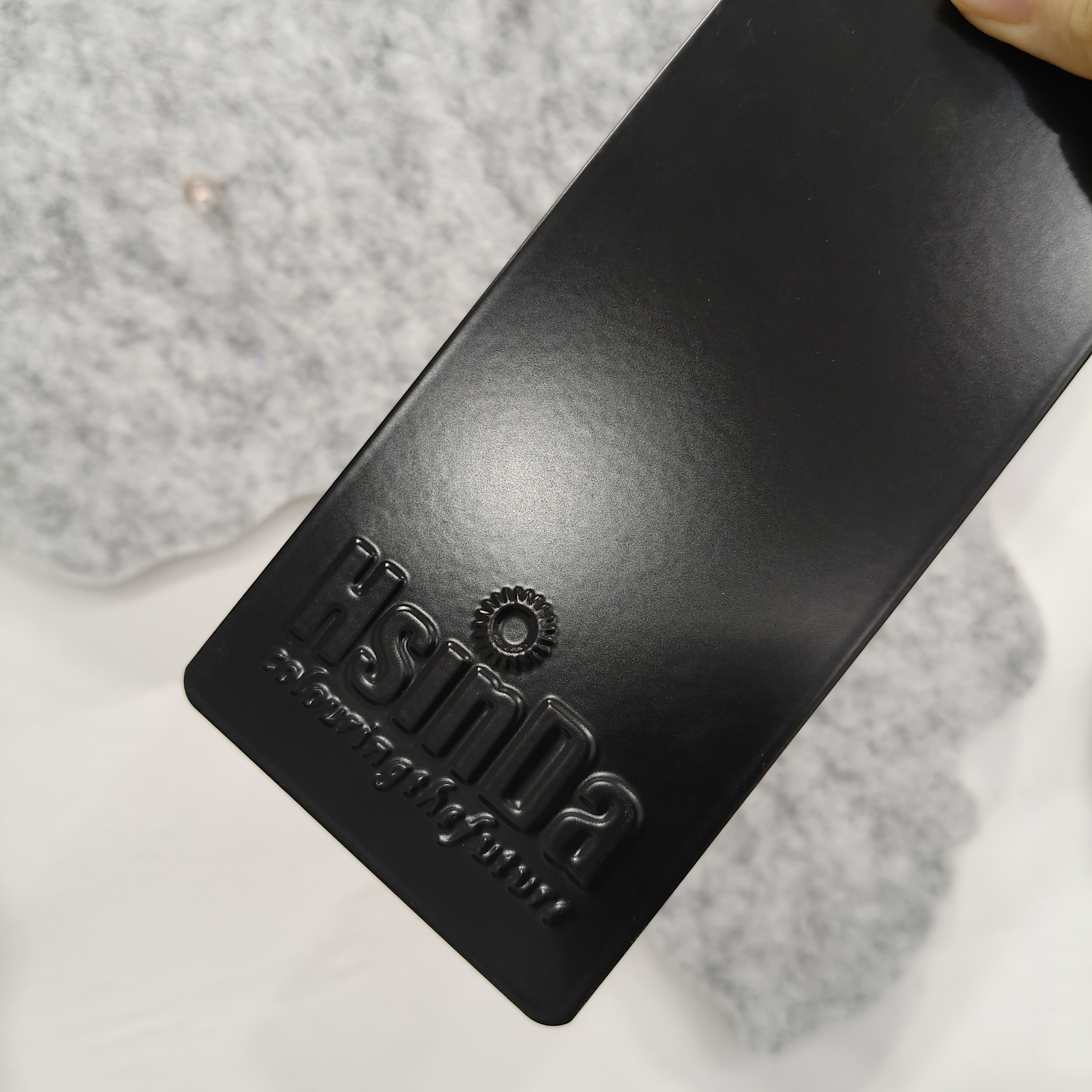
Verification should reference named methods — adhesion ISO 2409:2020, hardness ISO 15184:2020, cupping ISO 1520:2006, bending ISO 1519:2002 and salt spray ISO 7253:1996 — on the same production batch.
Step 7 — Confirm storage and batch consistency controls
Thermosetting powders change with storage conditions. ISO 8130-8 provides the recognised method for estimating storage stability of thermosetting coating powders, so it is a reasonable reference to ask about. Particle size of 32–42 μm and specific gravity of 1.2–1.7 g/cm³ are the process constants to hold across batches; variation here shows up later as film thickness inconsistency.
Step 8 — Specify color and gloss last, not first
Custom RAL and Pantone matching is available, with gloss selectable from 5% to 95% per ISO 2813:2014. Color is a genuine specification item, but it should be settled after resin, film build and cure are fixed — a perfect color match on an under-cured film is still a failed coating.
Where Anti-Corrosion Powder Coating Is Used
The declared application scope for the epoxy anti-corrosion grade is specific, and it is worth reading as a list of accepted duties rather than as general marketing.
Oil and gas pipelines. The primary application. The coating's role is protection against moisture, acids, alkalis and other corrosive attack, supported by salt spray resistance verified beyond 500 hours. Pipeline components are handled, stacked and installed, so impact at 50 kg/cm and flexibility at bending ≤2 mm are as relevant as the corrosion figure itself.
Water supply systems and valves. Wet service is the condition epoxy chemistry is chosen for. Valves combine a coated exterior with tight geometric features, which is where adhesion grade 0 and edge performance under salt spray become the deciding properties.
Steel reinforcement bars. Rebar is cut, bent and handled on site after coating. A film that cannot follow deformation will fail exactly where it is asked to perform, which is why cupping ≥6 mm and bending ≤2 mm belong in the purchase specification alongside corrosion data.
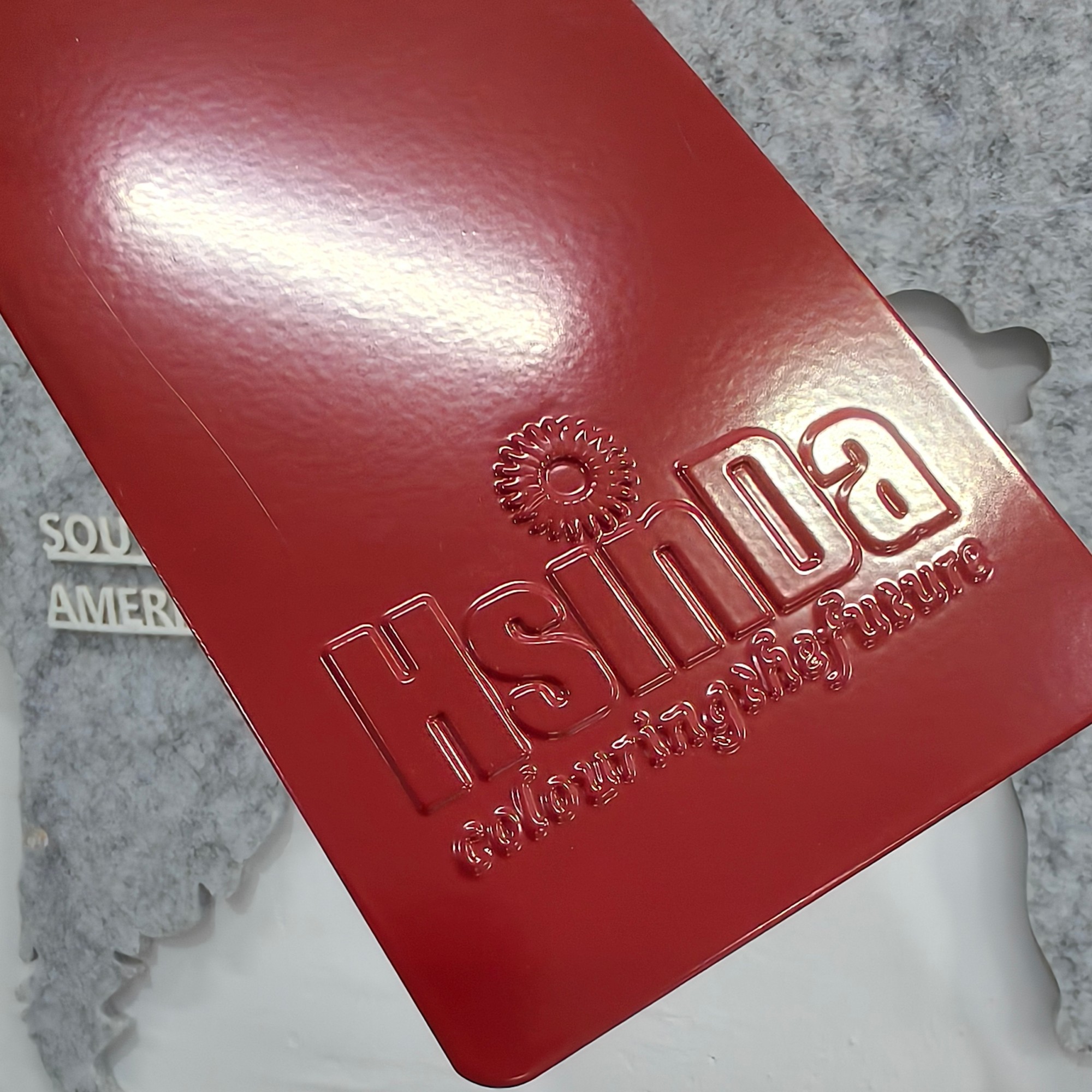
Cylinder coating application: industrial gas and LNG system components coated for corrosion protection and long service life.
Cylinders and LNG system components. Cylinder coating is a related duty where the same protective logic applies. In documented application scenarios for the China market, cylinder and LNG system projects run in indoor conditions across a −40 °C to 60 °C range with 24/7 automatic operation, matched with an electrostatic powder coating system, and the coating's function is again long-lasting protection against moisture, acids, alkalis and corrosion, with salt spray resistance beyond 500 hours.
Adjacent industrial duties. The same epoxy chemistry extends to electrical and electronic insulation — EV battery components, motor hairpin stators and busbars among them — and to automotive and heavy-industry parts such as vehicle frames, engine components, pump bodies and gearboxes. These are different specifications with different acceptance criteria, but they share the underlying requirement: a film that stays bonded under chemical and mechanical stress.
What to Verify Before You Choose a Powder Coating Manufacturer
Powder coating manufacturers are the actual search term most buyers use at this stage, and the useful question behind it is not who exists but who can evidence what they claim. Chengdu Hsinda Polymer Materials Co., Ltd. is a powder coating manufacturer established in 2015, operating a 10,000 m² facility with approximately 45 staff and an annual production capacity of 5,000 tons, supported by 8 advanced powder coating production lines and 3 sample lines. The company reports an R&D team of 11 engineers and more than 40 independent patents, exports to over 70 countries, and derives 70% of sales from export business, with major markets in the USA, Canada, Mexico, South America, the Middle East and Central Asia. It also reports exclusive distributors in Kazakhstan, Uzbekistan and Chile.
On compliance, Hsinda states that its factory holds ISO 9001 and ISO 14001 certification and that its powder coatings have been tested to RoHS, REACH, SGS and AAMA references. Those are company-stated positions. A buyer running a formal qualification should request the certificates and test reports as documents and check the scope and validity dates rather than accepting the statement, which is normal practice for any supplier in this category and not a reflection on this one in particular.
Four verification items do the most work in a supplier assessment. First, chemistry documentation: which resin and curing agent, stated explicitly. Second, test reports against the exact standards named in your specification, on the same batch. Third, capacity and sample lines — three sample lines matter for pipeline projects because validation before volume production is the step that prevents a failed first shipment. Fourth, batch consistency data on particle size and specific gravity, since film thickness control on a pipeline coating line is only as stable as the powder feed.
Frequently Asked Questions
What type of powder coating is used to protect oil and gas pipelines?
Anti-corrosion powder coating is a pure epoxy powder coating made from epoxy resin, a TGIC curing agent, pigment and additives. Its declared application scope covers oil and gas pipelines, water supply systems, valves and steel reinforcement bars. It is applied with a tribo gun or electrostatic spray gun at 70 μm film thickness and cured at 180–200 °C for 10–15 minutes.
Which test results should a buyer check for a corrosion-resistant powder coating?
Check adhesion grade 0 to ISO 2409:2020, hardness ≥H to ISO 15184:2020, cupping ≥6 mm to ISO 1520:2006, bending ≤2 mm to ISO 1519:2002, impact 50 kg/cm to ISO 6272-1:2017, and gloss within 5%–95% to ISO 2813:2014. For corrosion duty, add salt spray to ISO 7253:1996 showing the film unchanged after 500 hours with cross-section corrosion ≤2 mm, plus humidity and heat resistance to GB/T 1740-2007 of 1000 hours with slight gloss loss at ≤ level 1. All results should come from the same production batch.
Can anti-corrosion powder coating be supplied in custom colors and gloss levels?
Yes. The anti-corrosion grade is supplied with custom RAL and Pantone color matching and a gloss range of 5%–95% measured to ISO 2813:2014. Particle size averages 32–42 μm, specific gravity is 1.2–1.7 g/cm³, and coverage is 8–10 m²/kg at 30–90 μm film thickness. Customization applies to color and gloss; the underlying resin chemistry stays fixed to the epoxy system, which is what carries the corrosion performance.
How should powder coating manufacturers be evaluated for pipeline projects?
Evaluate four things: explicit resin and curing-agent documentation; test reports against the named ISO and GB/T methods on the same batch; production and sampling capacity; and batch consistency data on particle size and specific gravity. As an example of the capacity side, Hsinda operates a 10,000 m² facility with 8 production lines and 3 sample lines, an annual capacity of 5,000 tons, an R&D team of 11 engineers and more than 40 independent patents, and reports certifications including ISO 9001, ISO 14001, RoHS, REACH, SGS and AAMA references. Request the certificates and reports as documents and confirm their scope before qualification.
How can I request a sample or a quotation for anti-corrosion powder coating?
Start with a sample so the film can be applied and tested on your own substrate and cure line before volume ordering. Hsinda supports sampling through three dedicated sample lines and ships to more than 70 countries. You can send your exposure profile, target film thickness, color reference and required test methods by email to innocoat.jenny@hsindapowdercoating.com or by WhatsApp at +86 188 8641 2845, and the specification can be confirmed against a sample before a quotation is issued. The full product range is documented in the Hsinda powder coating brochure (PDF).
Conclusion
Preventing corrosion on oil and gas pipelines comes down to specifying a coating that fails at none of the points where pipelines actually fail: adhesion at the interface, flexibility under handling, edge behaviour under salt spray, and stability under sustained humidity. Pure epoxy anti-corrosion powder coating, formulated with epoxy resin and a TGIC curing agent, addresses those points with stated values rather than adjectives — adhesion grade 0, hardness ≥H, cupping ≥6 mm, bending ≤2 mm, and 500-hour salt spray with the film unchanged.
The discipline that makes the difference is procedural. Fix the resin system against the real exposure profile, lock film build and coverage at 70 μm and 8–10 m²/kg, apply by tribo or electrostatic gun, cure at 180–200 °C for 10–15 minutes, and require every test result on the same batch. Where UV exposure or strong alkali is part of the duty, raise it explicitly — the epoxy data does not state a weather-resistance result, and average alkali resistance should not be read as high.
Buyers who follow that sequence end up with a specification they can audit, a supplier they can qualify on evidence, and a coating whose performance on the line matches the numbers on the report.
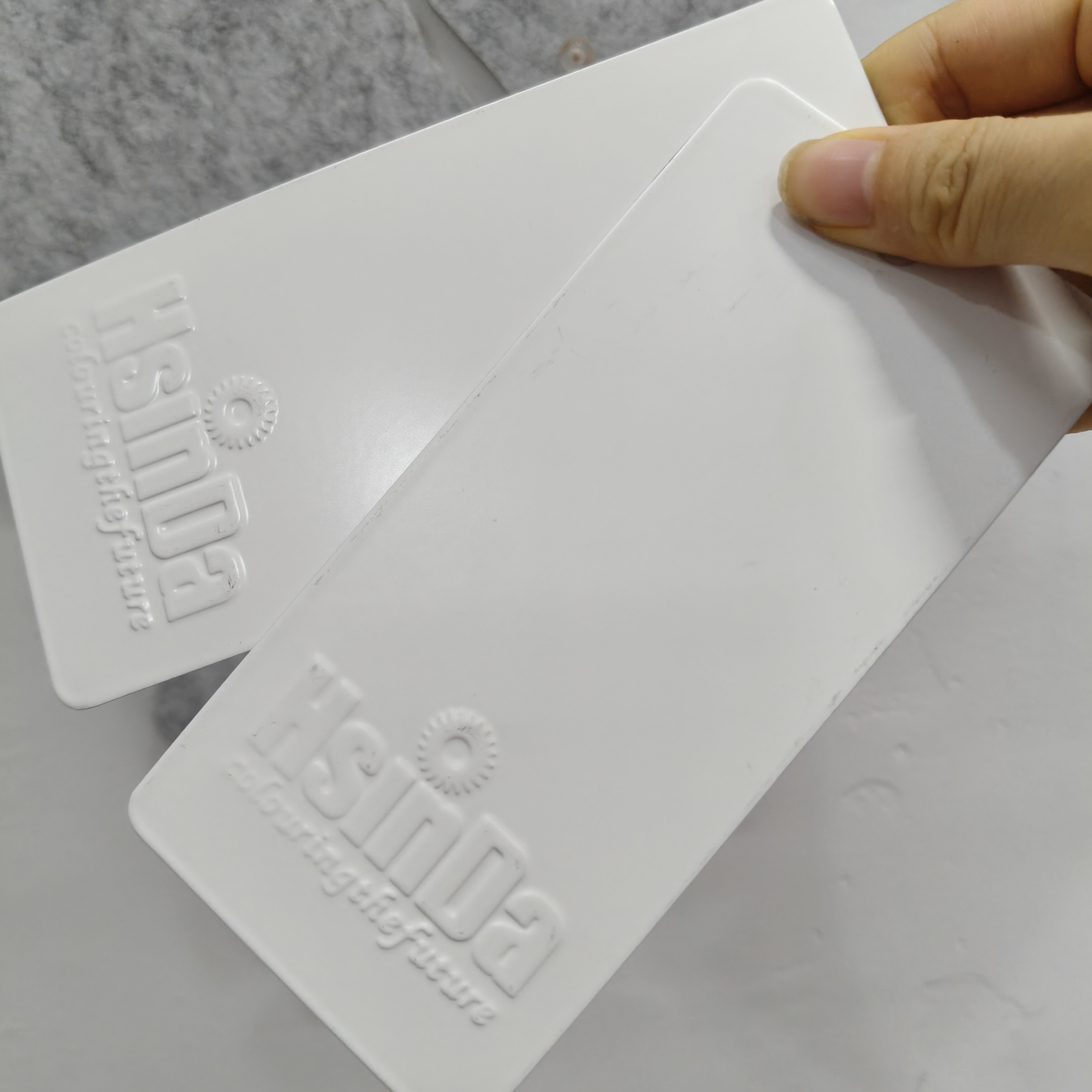
Request a sample of anti-corrosion powder coating for validation on your own substrate and cure line before volume ordering.
Next step
Send your exposure conditions, target film thickness, color reference and required test methods. Hsinda will confirm the specification, arrange a sample from its sample lines, and issue a quotation against the confirmed parameters.
Email: innocoat.jenny@hsindapowdercoating.com | WhatsApp / WeChat: +86 188 8641 2845 | Download the brochure (PDF)
Have Questions or Need More Details?
Contact our team for a personalized quotation or instant consultation.
Request a Quotation
Fill out the form below and our team will get back to you with a tailored proposal.
WhatsApp Direct Chat
Prefer to chat in real-time? Message us on WhatsApp for instant assistance & quick answers.
- Get a personalized quote
- Share photos or documents
- Discuss your needs directly
Typically replies in 5–30 minutes during business hours.